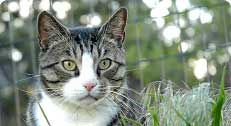

Every Kitty, Every City Program is coming to Atlanta soon
Copyright : Alley Cat Allies program
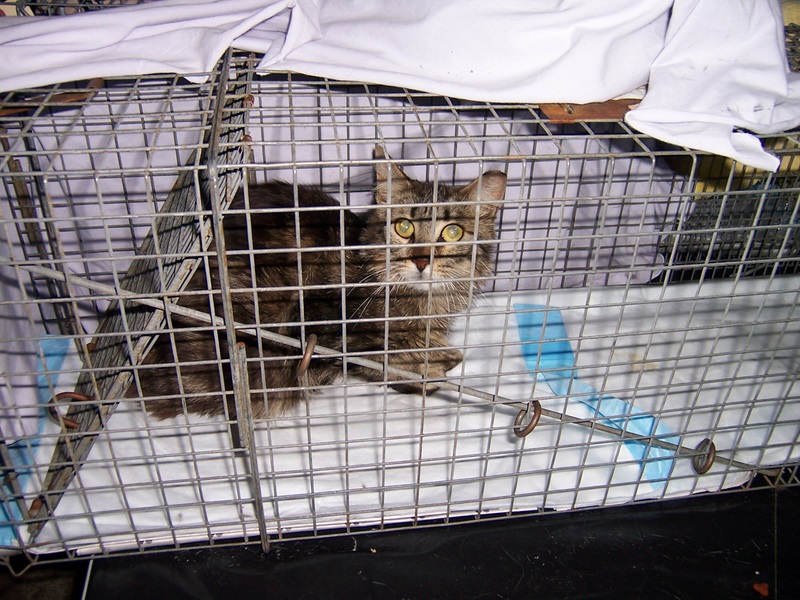
Through the Every Kitty – Every City program, we raise awareness and educate the community in targeted cities about outdoor cats, feral cat colony care, Trap-Neuter-Return, and the importance of accessible, affordable neuter services through workshops, outreach, and organizing.
The Every Kitty – Every City program provides individuals, groups, and veterinary professionals in the community with the tools and basic knowledge needed to serve as a community resource. As part of the program, Alley Cat Allies rallies and assists community volunteers, local groups, and private shelters to enhance their already existing Trap-Neuter-Return programs or to seamlessly launch new ones.
Alley Cat Allies sponsors workshops, open to the public, for advice and instruction on the best practices of Trap-Neuter-Return and colony care. We also recruit and help train local veterinary professionals on high-volume, low-cost techniques that will increase the availability of affordable neuter services—including early-age spay/neuter—and vaccination protocol.

Helping Community Cats Workshop
is coming to Atlanta
The workshop is on outdoor cat care and Trap-Neuter-Return.
watch other videos from AlleyCat.org
HUMANE CARE OF FERAL CATS
RESOURCES & LINKS
The Feral Cat Organizations mentioned below have all been helping feral cats and their caretakers for decades click photo or logo for link to very informative websites.
9 lives ... not 9 litters Every year 6-8 million homeless animals enter animal shelters in the US. About half of these animals are adopted, the other half are euthanized. Be a responsible pet owner and caretaker. Spay or Neuter your Pet and Community Cat. Stopping pet overpopulation starts with you!, A single non-neutered cat and her offspring can produce 420,000 kittens in seven years. |
click logo for link
| After-hours emergency
hospital - clinics in Metro Atlanta: |
|
|
Animal Emergency
Center of Decatur 217 McDonough St Decatur, GA 30030 (404) 371-9774 Animal Emergency Clinic of Decatur 308 East Howard Avenue Decatur, GA 30030-3401 (404) 371-9774 |
All Pets Emergency and Referral Center 6460 Atlanta Highway Alpharetta, GA 678-366-2500 |
|
Animal Emergency
Center of North
Fulton
900 Mansell Road Roswell, GA 770-594-2266 |
Animal Emergency
Center of Sandy
Springs
228 Sandy Springs Place Sandy Springs, GA 404-252-7881 |
|
Cobb Emergency
Veterinary Clinic
630 Cobb Parkway Marietta, GA 770-424-9157 |
Dekalb-Gwinnett
Animal Emergency
Clinic
6430 Lawrenceville Highway Tucker, GA 770-491-0661 |
|
Eastside Animal
Emergency Center
2715 Loganville Highway Loganville, GA (678) 985-5530 |
Southern Crescent
Animal
Emergency Clinic
1270 East Hwy 54 Fayetteville, GA 770-460-8166 |
|
Union City
Medical Center and
Emergency Clinic
6702 Shannon Parkway Union City, GA 770-964-0700 |
Westside Animal
Emergency Clinic
591 Thornton Road Lithia Springs, GA 770 819-1090 |
Please contact us and share your experience with clinics and additional resources.

Sept 2010
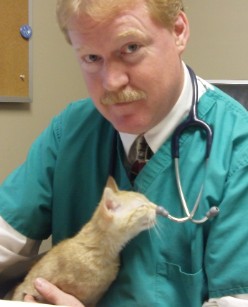
Dr. Lloyd is the most competent, compassionate veterinarian I have ever met.
He is referred to as the "cat whisperer!" - he is really good with a panicked feline patient.
-janne andersen
Ahimsa House. Provides emergency shelter and vet care to animals in domestic violence situations; also offers 24-hour crisis line providing assistance on including pets in safety planning and protection orders. Alley Cat Allies. Education on trap-neuter-return-maintain (TNR) programs, humane alternatives for feral cats. American Veterinary Medical Association Best
Friends Animal Society. National animal
welfare
organization providing public education and assistance, animal rescue,
adoption and sanctuary, and great resources for pet care. Briarcliff Animal Clinic. Full-service veterinary hospital with late hours and big hearts. Centers for Disease Control and Prevention Feral Cat Project. Information about feral cats. Fulton County Department of Health & Wellness Georgia Department of Agriculture Georgia Department of Natural ResourcesLifeline Animal Project. Low-cost spay and neuter services. Also a wealth of information about feral cats, as well as trap rental. New Leash on Life. A
companion animal advocacy group working to improve the
lives and care for lost and homeless animals in Metro Atlanta. No Kill Advocacy Center. The leading voice in shelter reform. PALS (Pets are Loving Support). Wonderful group provides pet food and basic vet care to the pets of people who are living with a disability (including AIDS/HIV) or who are elderly and who make less than $21,000 per year. They even deliver pet food to home-bound people. Park Pet. Dog and cat health food with a neighborhood vibe and free advice. Pet
Orphans. Provides basic info on pet care and
a long list of rescue organizations. Save Our Pets Food Bank.
Helping pets remain in homes by collecting and distributing donated pet
food. Call for an appointment for free pet food at (404) 876-2200 Ext.
315. United States Dept of Agriculture Well Pet Humane. New low-cost charity vet hospital
providing basic and preventative care to animals and people in need. | For other cat related books ... click the CAT cover for list compiled by http://www.paw-rescue.org/
Bob
Christiansen is Executive Director at DeKalb Humane Society and founder of The Atlanta Animal Alliance and launched Project CatSnip. click book for Bob Christiansen consultation service. click pdf for download of his book SOS
Copyright
- Community Animal Management - click for link
|
Cat owner's home veterinary handbook
By Debra Eldredge, Delbert G. Carlson, Liisa D. Carlson, Beth Adelman
click cover for link
|
Cat owner's home veterinary..pdf Size : 0.052 Kb Type : pdf |
excuse the "cat-hairs" ... we are under re-construction
| Dog Health |
| Cat Health |
| Dog Behavior |
| Cat Behavior |
| Dog Answers |
| Cat Answers |
| Recent Answers |
| About Us |
| Puppies |
| Adult |
| Breeds |
| Names |
| Symptoms |
| Health |
| Behavior |
| Dog Health Insurance |
| Pet Adoption |
| Kittens |
| Adults |
| Breeds |
| Names |
| Symptoms |
| Health |
| Behavior |
| Cat Health Insurance |
| Pet Adoption |
| Dog Photos |
| Dog Lovers Photos |
| Cat Photos |
| Cat Lovers Photos |
| Dog Videos |
| Cat Videos |
![]() | ![]() | ![]() | ![]() | ![]() | ![]() | ![]() | ![]() | ![]() |
FEEDING YOUR CAT:
KNOW THE BASICS OF FELINE NUTRITION
Lisa A. Pierson, DVM
College of Veterinary Shelter Medicine
|
FEEDING YOUR CAT Lisa a Pierson, DVM (catinfo.org).pdf Size : 0.206 Kb Type : pdf |
|
Feral Cat Cornell University.pdf Size : 0.336 Kb Type : pdf |

learn more ...click logo
FERAL CAT CARETAKER
Colony care-taking is a
little different from simply feeding
feral/stray cats. Colony caretakers provide food, water and shelter
for colony DAILY, or share the responsibilities with other caretakers in
the group in order to monitor the colonies to assure all cats are
spayed or neutered and
make arrangements for
trapping at colony as need arises, also monitor colony individuals
for health and/or
injuries, maintain records on colony members, and advocate for the
colony as necessary.
Primary colony caretakers
primary caretaker.
Trapping skills and knowledge of feral cat behavior helpful, but we can train. Although we sometimes receive contributions of food, the caretaker must commit to providing food for the colony members on a daily basis. This usually means you have to buy food for your colony yourself.
The cats have to be fed daily, so be prepared to go out regardless of the weather. Since feral cats are not always welcome members of a community, it is generally best to feed and monitor at times when you are not obvious to the public and in a location that is not easily seen. This often means going out very early or under the cover of darkness to somewhat secluded areas. This is not a job for the timid or fearful as sometimes you will be spotted and confronted by people who do not understand what you are doing. At these times you will need to be prepared to discuss TNR in a calm, informative manner.
It is helpful if you have access to a computer in order to update colony information in our online database. A digital camera is also helpful for taking photos of colony members for our records.
FEEDING FERAL CATS
It is important to have dry food in containers that keep the food dry and out of the elements. This may require innovative construction of special feeding stations, unless you are feeding at your home in a garage, carport or other sheltered areas. If wildlife is not an issue, having dry food available will keep the cats close to their territory. They will not roam to beg and search for food in unsafe places.
Feeding should be done daily. Dry feeders need to be refilled, kept clean from debris and dirt. If you are feeding in a public place, food plates or bowls need to be cleaned and/or picked up each day to avoid exposing the feeding location and possible complaints from neighbors. Any obvious neglect might impact the ferals, as there may be persons who are hostile and destructive. The more discreet you are in caretaking, the better for all concerned.
It is best to feed wet food at the same time each day, preferably in a.m. and/or early p.m
Be observant of those who show up for feeding. Check for injuries, appearance of illness, pregnant females, lactating females, kittens or any other unusual situation.
Do not discuss your feral cats with strangers or offer information as to their numbers or where they are located. Be friendly, but vague. You do not need to identify yourself to anyone you do not trust. If you have a problem, contact us and we will advise you.
Take special care that the feeding area is kept clean from debris or unusual amounts of cat feces. This would be of special concern if you feed large numbers in a limited space.
Arrange for someone to feed if you are going on vacation or are ill. A back-up is always necessary as circumstances can change drastically in 24 hours.
As Caretakers we honor and protect those in our care and try to forsee any problems that may arise.
The ferals cats and kittens have much to teach us about ourselves.
Dona Cosgrove Baker
President and Founder of Feral Cat Caretaker Coalition
read more ...


|
![]() |
![]() |
||||
![]() |
|
![]() |
|||
![]() |
|||||
|
|
|
|
|
||
|
Trap_Neuter_Return_ HSUS.pdf Size : 0.595 Kb Type : pdf |
-
-
Lesson 1
-
Lesson 2
-
Lesson 3
-
Lesson 4
-
Lesson 5
-
Lesson 6
-
Lesson 7
-
Lesson 8
-
81-page pdf


Feral Cats and “TNR”